
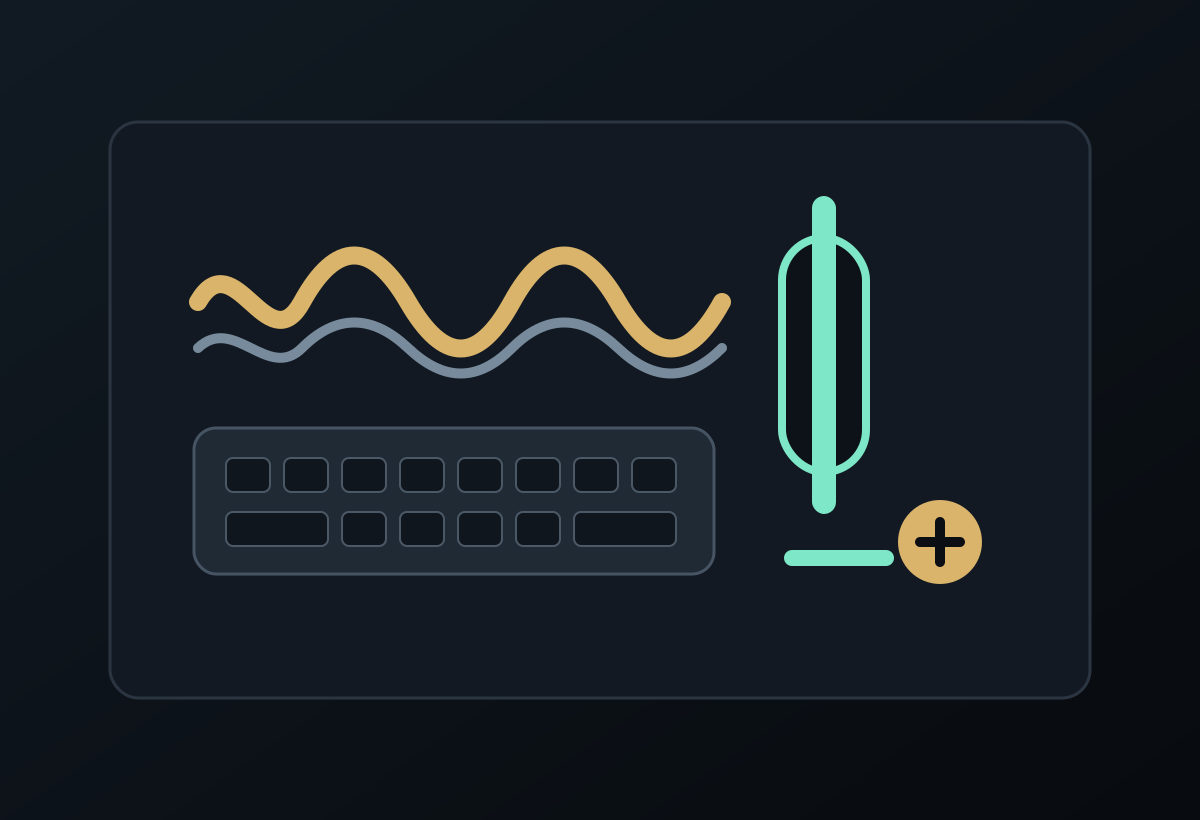
Thock and clack are useful words, but they are not measurements. Thock usually means deeper, rounder, lower-pitched sound. Clack usually means brighter, sharper, higher-pitched sound. The trap is pretending the switch alone decides it. Your plate, case, keycaps, foam, desk, and microphone can push the same switch in different directions.
Best starting point
Nylon-heavy housings, deeper cases, softer plates, thicker keycaps, and dampened builds often move sound downward.
Common mistake
Buying purely from a sound test without checking board, plate, keycap, and spring weight differences.
What creates thock
Nylon-heavy housings, deeper cases, softer plates, thicker keycaps, and dampened builds often move sound downward.
What creates clack
Stiffer plates, thinner caps, brighter housings, and less dampening can create a sharper attack.
How to use the labels
Use thock and clack as a shopping filter, then verify with build context. A switch sound test without board details is only half useful.
How to choose
- Match switch type to the job: linear for smooth speed, tactile for feedback, silent for shared spaces.
- Check force before sound. A great sounding switch that is too heavy will still annoy you.
- Treat sound labels like thock and clack as direction, not science. The keyboard build changes everything.
- Shortlist three options, then compare price and availability before committing to a full set.
Next step: Use the Switch Database to compare these options against force, sound, and use case before buying.